
High-Asset Divorce Brings Unique Needs
Though divorce may sound simple, a host of other issues come along with it. Division of property, decisions around support and custody and other matters can make divorce seem even harder. You need a teammate you can trust.
Pairing Empathy And Tenacity In Family Law Representation
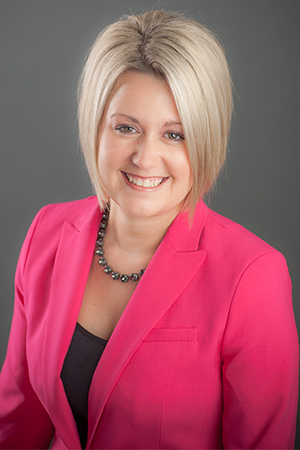
My name is Amanda Lewis. As founding attorney of Attorney Amanda J. Lewis, I provide compassionate care to clients facing family law needs. Within the arena of family law, I have particular experience in handling high-asset divorces. These situations often have unique complexities, such as:
- Unique assets, such as vacation homes, rental properties, small businesses and investment portfolios: All assets that are part of the marital estate must be divided, which can be complex in these situations.
- Child support/spousal support when both partners are high earners: Defining the need for support obligations in this situation can be complicated.
- Asset valuation when one party may wish to hide assets: I work with professionals such as accountants to ensure that property is being valued correctly.
When a marriage is ending, it is emotionally difficult, but it can also be financially difficult. It is important to know that you can rely on your attorney to be tenacious in pursuit of what is rightfully yours. As an experienced high-asset divorce lawyer, I have done this for countless clients.
Frequently Asked Questions
Going through a divorce is an emotionally challenging life event, and it can bring up a lot of uncertainties about your finances and your future. When substantial assets, business interests or real estate property are involved, the stakes can feel especially high.
To help you understand what to expect, here are answers to three common questions that I frequently address for my clients in Kent.
Can I protect my retirement accounts, 401(k)s and pensions from being divided during my divorce proceedings?
In Ohio, a few factors determine if courts will protect retirement accounts, 401(k)s and pensions from division, but courts regard the marital portions of these accounts as divisible property. A judge treats contributions made during the marriage and their growth, as “marital property,” while treating assets bought or inherited before the marriage as “separate property”
In many cases, the court can divide these assets through a valid property settlement agreement or a qualified domestic relations order (QDRO), so it is vital to gather statements, account histories and records showing what was owned before marriage.
What happens if my spouse is hiding assets during our divorce?
If your spouse is hiding assets, that can seriously affect the property division process, but courts do not look kindly on concealment. You can address this through formal discovery, where each side is required to exchange financial information, and through subpoenas, depositions and requests for account records.
If the court uncovers hidden assets, it may adjust the division of property, award you a larger share or in some cases, impose sanctions. It is crucial to work with a family law attorney and a forensic accountant, especially if you suspect undisclosed bank accounts, business income or cryptocurrency.
Should I file for divorce first if I have significant assets in Ohio?
Filing the divorce petition first can have practical advantages, but it does not automatically determine who gets what. For instance, filing first may let you choose the timing, start the case on your terms and preserve records before someone moves assets.
Ohio is an equitable distribution state, so the court will still focus on fairness rather than giving one party an advantage just because they filed first. If you have significant assets, the most important step is to act quickly to preserve your financial records and speak with a lawyer about protecting separate property and preparing for key issues such as custody, child support and alimony, which can also affect the outcome of your divorce.
Contact My Family Law Firm Today
To discuss your divorce case with me, please call my Kent office today at CALL. You can also reach me through my online contact form to schedule your consultation. I serve individuals and families throughout Ohio.